When a company spends billions buying its own stock, investors should take a closer look. These stock buybacks can signal management confidence, strengthen per-share earnings, and potentially reward long-term shareholders.
Table of Contents
Businesses have plenty of choices for their cash.
They can develop products, expand operations, acquire competitors, pay down debt, or increase dividends. Buying back shares is another option, and it can tell investors something about how management views the business and its stock price.
When buybacks reduce the number of shares outstanding, each remaining share represents a larger ownership stake. Shareholders who hold onto their stock own a little more of the company without purchasing another share.
Buybacks can also lift earnings per share. Imagine a business earning $100 million with 100 million shares outstanding. That works out to $1 per share. If its share count falls to 90 million and profits stay unchanged, earnings per share rise to about $1.11.
However, a smaller share count doesn’t automatically make a stock more valuable. The company spends cash to purchase those shares, and the price it pays matters. Buying an undervalued business can reward shareholders. Overpaying can waste money that would have been better spent elsewhere.
With that in mind, Berkshire Hathaway, Lam Research, and United Therapeutics offer three examples worth watching for investors interested in companies using stock buybacks to return capital to shareholders.
Berkshire Hathaway Steps Up Its Stock Buybacks
Berkshire Hathaway (NYSE: BRK-B) made a substantial investment in a familiar business during the third quarter. The conglomerate repurchased $9.6 billion of stock, bringing its total buybacks for the first nine months of 2026 to about $14.4 billion. That quarterly spending more than doubled the $4.5 billion repurchased during the second quarter.
The acceleration deserves attention because Berkshire’s repurchase policy ties purchases to valuation. Its program allows buybacks when the chief executive, after consulting the chairman, believes shares trade below a conservative estimate of the company’s intrinsic value—essentially, what the business is worth based on its underlying economics.
That makes the spending a useful indication of management’s thinking. Berkshire was willing to commit considerably more money to its own shares during the quarter.
Lam Research Combines Stock Buybacks With Dividends
Lam Research (NASDAQ: LRCX) is also making a sizable commitment to shareholder returns. On November 5, the semiconductor equipment company announced a new $25 billion share repurchase authorization alongside a quarterly dividend of $0.33 per share. The authorization adds to the remaining balance under its previous program.
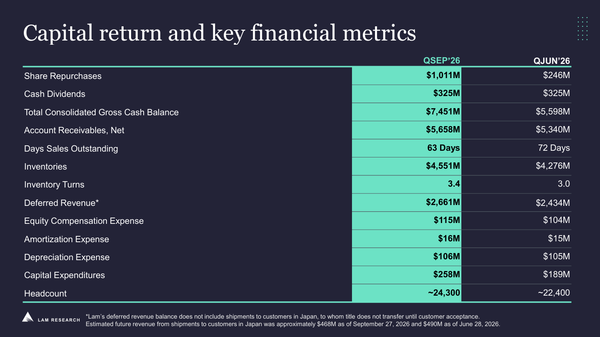
The combination gives shareholders two potential benefits. Dividends provide cash directly, while repurchases can increase the ownership stake represented by each remaining share.
Chief Financial Officer Doug Bettinger pointed to Lam’s cash generation and technology positioning as reasons management believes it can continue returning capital to shareholders.
However, there is an important distinction between Lam’s announcement and Berkshire’s quarterly results. Berkshire reported money already spent. Lam announced permission to make future purchases.
United Therapeutics Adds Another $2 Billion Authorization
United Therapeutics (NASDAQ: UTHR) has also put a substantial repurchase program on the table. The company announced an additional authorization to buy up to $2 billion of its shares, available through October 21, 2027. Chief Financial Officer James Edgemond said management believes its balance sheet and free cash flow can support both its longer-term ambitions and purchases of attractively valued shares.
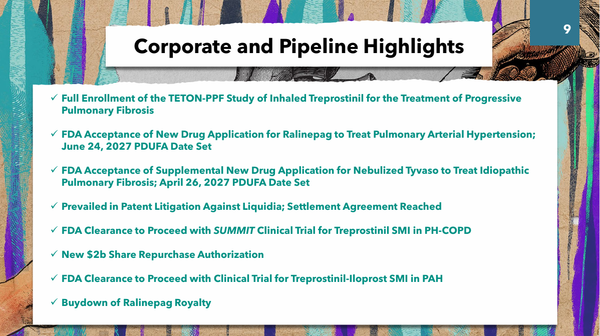
That balance matters. Returning cash to shareholders is most compelling when a company can also adequately fund its future. United Therapeutics said an accelerated repurchase transaction under its previous authorization would not reduce the amount available under the new program. However, the new authorization carries no minimum purchase requirement, and management can adjust buying based on market conditions and other uses for its money.
Follow the Share Count, Not Just the Buyback Headlines
Big buyback announcements make headlines, but the real test comes afterward. You should watch to see whether shares outstanding actually decline. Companies can spend heavily on repurchases while issuing new shares for employee compensation or other purposes, offsetting some of the benefit.
Berkshire, Lam and United Therapeutics give investors reasons to pay attention. What matters next is whether their purchases leave shareholders owning more of a healthy business at a sensible cost. That is where a buyback can turn into lasting value.
Leave a Reply