PepsiCo (NASDAQ: PEP) is scheduled to report second-quarter results before the opening bell on Thursday, with investors looking for signs that demand is holding up. Analysts expect PepsiCo to deliver respectable year-over-year growth in both earnings and revenue. Consensus estimates call for adjusted earnings of about $2.20 per share on revenue of about $24 billion.
Table of Contents
Wall Street will be watching to see whether Frito-Lay North America continues to recover. The snacks division remains PepsiCo’s largest profit engine, making its performance critical to the overall earnings report. Any evidence that consumers are buying more chips and snack foods without sacrificing profitability would likely be viewed as a positive development.
Focus on Snack Demand
A major area of attention will be PepsiCo’s snack business, especially Frito-Lay North America, which remains the company’s biggest profit driver. This division includes popular brands like Lay’s, Doritos, and Cheetos. Investors want to know if snack demand is improving after recent softness. If shoppers are buying more snacks, it would suggest that demand for everyday packaged foods is holding up well.
PepsiCo’s beverage division will also be closely watched. This part of the business includes well-known brands such as Pepsi, Mountain Dew, and Gatorade. While these products remain widely consumed, competition in the beverage market continues to be intense.
Investors will be looking for updates on how PepsiCo is performing in key categories like zero-sugar drinks, sports drinks, and energy beverages. These segments have been important growth areas as consumer preferences shift toward healthier or functional options.
International markets are another key focus. PepsiCo has generally seen stronger growth outside North America, and investors will want to know if that trend is continuing. Strong performance overseas could help balance any weakness in U.S. sales.
Guidance Matters Most
While quarterly results are important, PepsiCo’s forward-looking guidance may have an even bigger impact on the stock. If PepsiCo raises its full-year outlook, it would likely be seen as a sign that the business is managing well despite economic uncertainty. It would suggest that demand is stable and that the company is confident in its ability to grow earnings.
However, if PepsiCo keeps its forecast unchanged or becomes more cautious, it could signal that growth is slowing. That might reinforce concerns that consumers are becoming more selective with their spending, especially on higher-priced branded goods.
Mixed Views From Analysts
Market sentiment around PepsiCo is somewhat divided. The company is still widely viewed as a stable, defensive investment because of its global brands, strong cash flow, and long history of dividend payments. These qualities often make it attractive during uncertain economic periods.
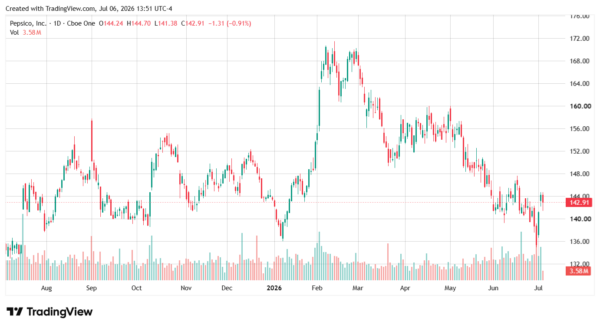
At the same time, some analysts have recently lowered their price targets ahead of earnings. Their concerns mainly focus on weaker trends in North American snack volumes and the possibility that consumer spending is cooling.
Other analysts remain more positive. They argue that PepsiCo’s broad product mix, international exposure, and ability to generate consistent cash flow make it well-positioned even if growth slows temporarily.
A Key Early Test For Earnings Season
Because the company sells products that millions of consumers purchase every day, its results often provide valuable insights into household budgets, grocery-shopping behavior, and pricing power across the consumer staples sector. Investors will use the report to gauge whether shoppers remain willing to pay premium prices or are increasingly seeking lower-cost alternatives.
With markets entering a busy earnings season, PepsiCo’s results could help shape expectations for other consumer companies reporting in the weeks ahead. A strong performance with supportive guidance would reinforce confidence that consumer demand remains resilient. Conversely, disappointing results or a weaker outlook could raise fresh concerns about slowing spending and increasing pressure on corporate profits.
Leave a Reply