Procter & Gamble (NYSE: PG) delivered a mixed quarterly report, highlighting the challenges facing even the world’s strongest consumer brands as shoppers continue to search for value.
Table of Contents
The company beat Wall Street’s earnings expectations, but weaker-than-expected sales and sluggish demand weighed on investor sentiment. For the fiscal fourth quarter, P&G reported adjusted earnings of $1.43 per share, slightly above Wall Street’s estimate of $1.41.
However, revenue came in below expectations at $21.2 billion, compared with the $21.38 billion analysts had projected. The company’s reported net income fell to $3.04 billion, or $1.26 per share, from $3.62 billion, or $1.48 per share, a year earlier. Excluding restructuring costs, transaction-related gains, and other items, adjusted earnings came in at $1.43 per share.
Organic revenue, which excludes the impact of acquisitions, divestitures, and currency changes, was unchanged for the quarter as volume remained flat across the company’s portfolio.
That lack of volume growth has become a recurring concern for P&G and many other consumer staples companies. After years of inflation-driven price increases, consumers have become more cautious, trading down to lower-cost private-label alternatives or simply using products for longer before replacing them.
Some Brands Still Showing Strength
Not every part of P&G’s business struggled during the quarter. The company’s beauty division was the strongest performer, reporting 3% volume growth. The segment includes well-known brands such as Pantene shampoo, Olay skincare, and SK-II.
The company’s fabric and home care division also posted volume growth, with sales volume rising 1% during the quarter. That segment includes some of P&G’s biggest household names, including Tide laundry detergent and Swiffer cleaning products.
However, several important businesses saw declines.
P&G’s baby, feminine, and family care division reported a 1% decline in volume, while its grooming business also experienced a 1% drop. The weakest performance came from the company’s health care division, which includes brands such as Oral-B and Vicks. Volume in the segment declined 3%, driven largely by weaker sales in oral care products.
The results show that while P&G’s portfolio remains powerful, consumer behavior is changing. Brand loyalty alone may not be enough to offset a more price-sensitive shopper.
Cautious Outlook Adds to Investor Concerns
Looking ahead, P&G does not expect a major rebound in demand next year.
For fiscal 2027, the company forecast core earnings per share of between $6.89 and $7.11. It expects all-in sales growth of just 1% to 3% compared with the prior year. Wall Street had been expecting earnings of $7.04 per share and revenue growth of about 2.7%.
P&G’s challenge is no longer simply maintaining margins. The company must find ways to reignite demand while managing a more difficult consumer environment.
What’s Next For Procter & Gamble
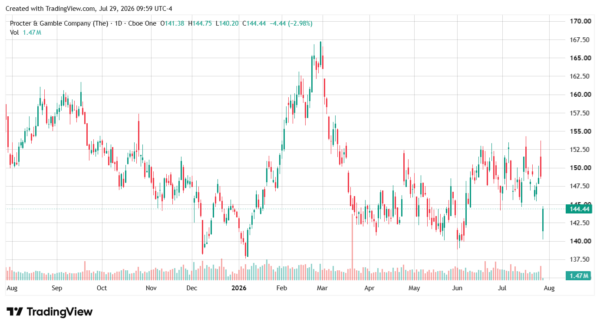
Procter & Gamble remains one of the world’s most respected consumer companies, with a portfolio of trusted brands, strong cash flow generation, and a long history of returning capital to shareholders. But the latest results show that even industry leaders are not immune to changing consumer habits.
The company’s earnings remain resilient, but flat organic growth and continued volume pressure suggest that investors may need patience. The key question going forward is whether P&G can reignite demand without relying heavily on price increases.
For long-term investors, P&G’s defensive qualities remain attractive. However, the latest quarter reinforces that the company’s next phase of growth will depend on winning back consumers who have become more focused on affordability.
Leave a Reply