
Microsoft (NASDAQ: MSFT) just reported stronger-than-expected fiscal fourth-quarter results. The earnings report not only topped Wall Street estimates but also provided fresh evidence that the company’s AI investments are beginning to generate significant returns.
Table of Contents
For investors, the results helped ease concerns that have weighed on Microsoft throughout much of 2026. Many investors questioned whether the company’s enormous spending on AI infrastructure would translate into profitable growth.
This quarter may have answered that question.
MSFT reported revenue of $90.01 billion, well above analysts’ expectations of $87.62 billion. Revenue climbed 18% from a year earlier, one of the company’s strongest growth rates in years. Net income jumped to $35.8 billion, or $4.81 per share, compared with $27.2 billion during the same quarter last year. Part of that increase came from Microsoft’s $3.2 billion gain tied to its investment in AI startup Anthropic.
The company also forecast first-quarter revenue between $89.85 billion and $90.95 billion, topping Wall Street’s expectations.
The biggest story from the quarter was Azure.
Microsoft’s cloud computing business grew 43% year over year, accelerating from 40% growth during the previous quarter and handily beating analysts’ expectations.
The company also revealed that Azure generated more than $100 billion in annual revenue during fiscal 2026 for the first time. Better, management expects Azure’s momentum to continue. CFO Amy Hood forecast about 45% Azure growth during the current quarter, well ahead of Wall Street’s expectations.
Strong cloud demand remains one of MSFT’s biggest competitive advantages as businesses continue shifting workloads to the cloud while adopting AI-powered applications.
Copilot Gains Momentum
The company now has more than 30 million paid Copilot seats, up from more than 20 million just a few months ago. CEO Satya Nadella said enterprise adoption continues to accelerate as companies expand AI deployments beyond pilot programs. GitHub Copilot, Microsoft’s AI coding assistant, has now reached 50 million users. The rapid growth helped reassure investors that Microsoft’s AI strategy extends beyond building infrastructure. The company is successfully turning AI into products that businesses are willing to pay for.
Heavy Spending Continues
Microsoft isn’t slowing its investment in artificial intelligence.
Hood reiterated Microsoft’s plans to invest roughly $175 billion in capital expenditures and finance leases during fiscal 2026. She also said spending will increase again in fiscal 2027 as demand for AI services continues to grow.
Management also expects free cash flow to improve during fiscal 2027 as new AI infrastructure begins generating stronger returns.
Earnings resulted in optimistic analysts.
Many analysts raised their price targets, arguing that Microsoft’s latest results answered several major investor concerns.
Evercore ISI described the report as “Christmas came a bit early for Microsoft shareholders.”
Goldman Sachs called the quarter “a meaningful step” in reversing Microsoft’s recent underperformance, saying the company demonstrated stronger Azure growth, improving AI economics, and increasing evidence that Copilot is becoming a meaningful revenue driver.
Bank of America said the report validates Microsoft’s long-term AI strategy, noting that enterprise customers are rapidly expanding Copilot deployments while Azure continues benefiting from strong demand.
Even Melius Research said that the quarter exceeded expectations and reduced concerns that Copilot would hurt Azure’s long-term growth.
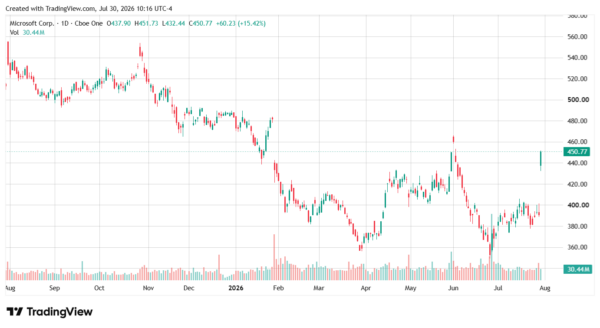
The Bottom Line
Microsoft’s latest earnings report offered one of its clearest signs yet that its aggressive AI strategy is beginning to pay off. Cloud growth is accelerating, Copilot adoption is gaining momentum, enterprise customers continue increasing AI spending, and management remains confident enough to maintain its long-term investment plans.
After months of questions about whether Microsoft’s AI spending would generate meaningful returns, Wall Street appears to have its first convincing answer.
Leave a Reply