The U.S. consumer isn’t okay—and the Q1 2027 earnings report from Walmart (NASDAQ: WMT) is reinforcing concerns about U.S. consumer spending, inflation pressure, and the broader retail outlook.
Table of Contents
At first glance, the headline results look solid. Walmart posted inline EPS of 66 cents and revenue of $177.75 billion, up 7.3% year over year and ahead of expectations. For investors tracking the report, those numbers suggest resilience in a difficult macroeconomic environment.
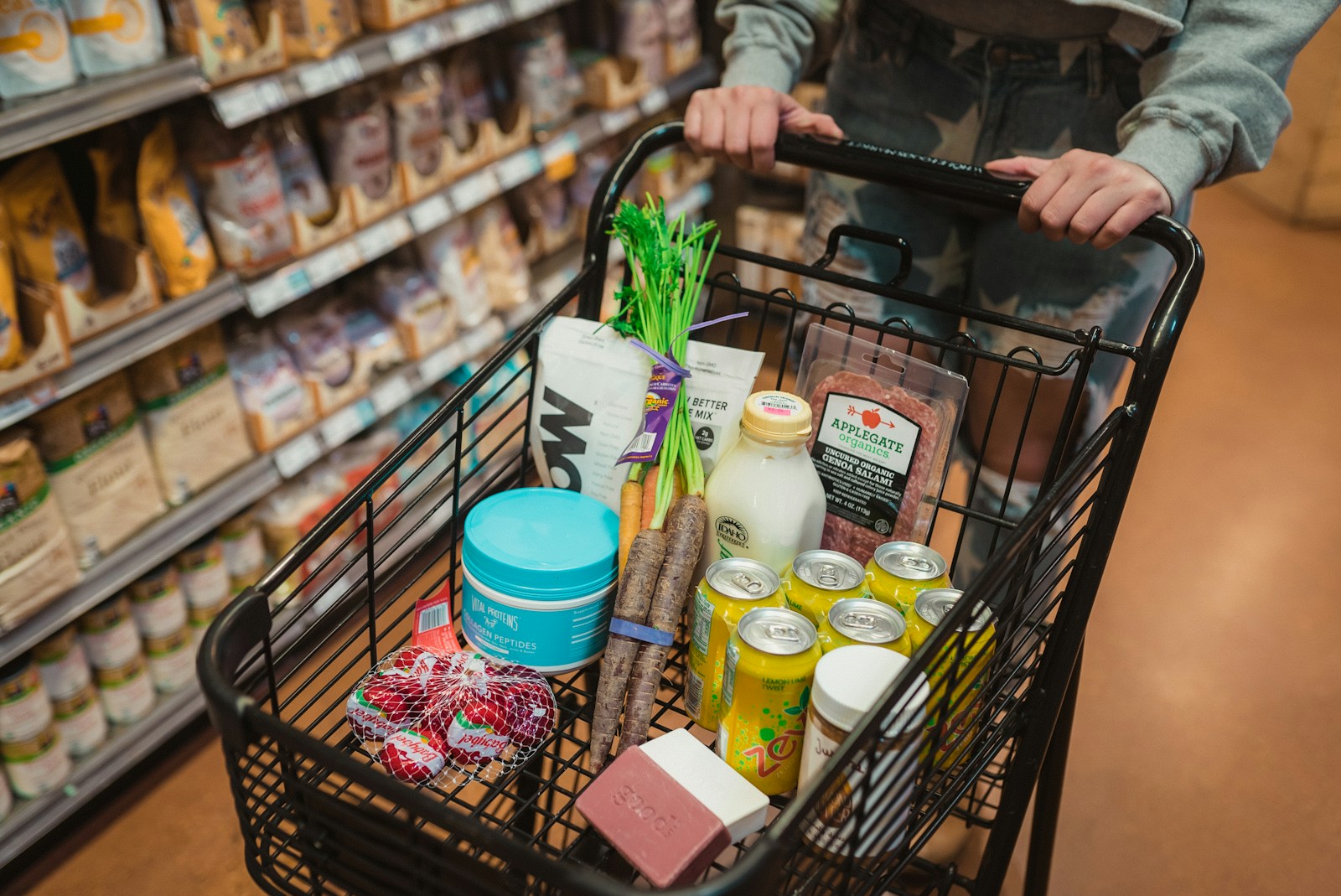
Unfortunately, the strength in revenue is being driven less by discretionary retail demand and more by necessity-based spending—particularly groceries and household essentials. So, sure, consumers are still spending, but they are trading down, prioritizing essentials, and becoming increasingly price-sensitive.
Walmart Guidance Was Worse Than Expected
Unfortunately, shares of Walmart are down over 7.5% after the company issued a worse-than-expected outlook for the full year and current quarter. The retailer said it’s expecting 2027 adjusted earnings per share to be between $2.75 and $2.85, lower than expectations of $2.91. It also anticipates that net sales will rise between 3.5% and 4.5% for the year.
For the current quarter, it expects adjusted earnings per share to be between 72 cents and 74 cents, missing expectations of 75 cents. Walmart anticipates net sales will climb 4% to 5% for the quarter. This all goes back to a consumer who is dealing with sticky inflation, war, and higher oil prices.
After all, in the three months since Walmart last reported earnings, there’s been conflict in the Middle East, gas prices have soared, and consumer sentiment has plummeted to a fresh record low in May. This flurry of bad news comes on top of years of sticky inflation, higher interest rates and a global trade war that’s pushed prices even higher.
None of which sits well with consumers, particularly those on the lower leg of the K-shaped economy. Making it worse, there’s now talk that interest rates will remain the same, at best. And the CME FedWatch tool puts the odds of a rate hike at the Federal Reserve’s September meeting at 32%
One of the Most Telling Details
One of the most telling details from Walmart’s report was the continued strength of its lower-priced private-label products. The company said consumers are increasingly choosing store-brand items over name brands as they look for ways to stretch household budgets. Walmart also noted that higher-income shoppers are continuing to trade down to discount retailers, a trend that has accelerated over the past year.
When wealthier consumers begin prioritizing value and reducing discretionary purchases, it can signal broader economic caution. Historically, consumer spending has been one of the strongest drivers of U.S. economic growth. However, stubborn inflation and higher borrowing costs are beginning to pressure even middle- and upper-income households.
All of which is raising big concerns about the true health of consumers and the economy. However, there may be some hope on the horizon.
It May All Come Down to Oil
Remember, when oil prices rise, everything becomes more expensive. Gas and shipping costs are higher, and those higher costs eventually show up in grocery bills and store prices. So, when oil prices fall or stabilize, households slowly start to feel some relief. The belief is that this will start to happen once the U.S.-Iran issue is brought under control.
Down the road, pullbacks will create more breathing room, leading to more spending, especially on things people cut back on during high inflation—like travel, eating out, clothing, or electronics. All of which will help prop up retailers, like WMT.
But how soon that relief comes is anyone’s guess. Plus, even if the conflict with Iran ends in the next week or two, it will be months before a sense of “normal volume” is reflected in the market.
That means it’s probably best to avoid retailers for now. But you should consider buying on significant pullbacks.
Leave a Reply