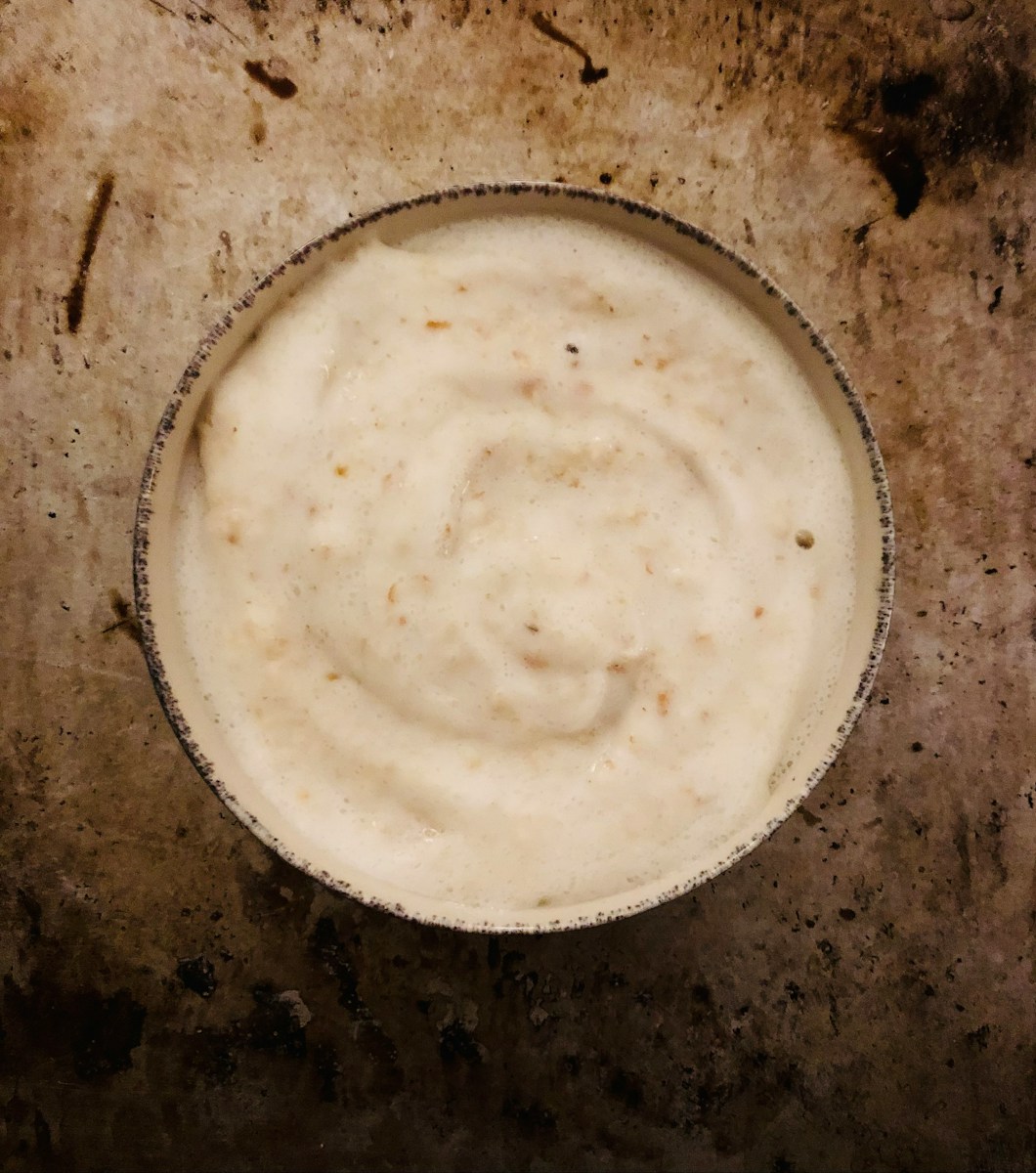
The 2026 FIFA World Cup is bringing a taste of America to many Europeans. That includes our nation’s fondness for ranch dressing. If you’re like me, you weren’t aware that a condiment we take for granted isn’t a “thing” in Europe.
Table of Contents
That may be changing as many tourists are taking a taste back with them.
But if you see the world through the eyes of an investor, as I do, there’s an opportunity happening in two stocks. One is Kraft Heinz (NYSE: KHC). The company has worked out an arrangement with the Transportation Security Administration (TSA) to create a ranch “travel kit.”
As someone who cut his teeth in marketing, I appreciate the hustle. But as an investor, it still doesn’t make KHC very tasty.
There is another name to consider, and it may be a surprise to many of you, Clorox (NYSE: CLX). The company is the parent company of the Hidden Valley Ranch. Really, it is and has been since the early 1970s. The company has also been making an effort to showcase its brand.
It’s a hidden part of the company’s portfolio, but it may steer some investors to take a closer look at the stock. But what will they find?
Two High Yields, Two Very Different Stories
Let me get real with you for a second. I don’t advocate buying KHC or CLX as part of your growth portfolio. These stocks aren’t built for that. The total return in CLX over the last 10 years is poor, but KHC is worse.
No, investors aren’t buying these stocks for growth. But they each have a redeeming quality, which is a high-yield dividend. As of the market close on June 25, the dividend for Clorox sat at 5.2%. But Kraft Heinz offered a dividend yield of 6.82%. Pretty tempting, right?
This is one time where bigger isn’t better. By other measures, including the payout per share and the number of years of consecutive dividend growth, Clorox is the better dividend stock to own. Yes, the dividend being supported by 50% of cash flow is a bit steep, but it’s not alarming, and with 47 years of dividend increases, the company is just three years away from joining the elite category of Dividend Kings.
Why Kraft Heinz’s High Dividend Yield Comes With Risk
Kraft Heinz tells a different story. The 7%-plus yield looks generous on paper. But KHC’s dividend has actually declined over the past decade.
The company has paid $0.40 per quarter for several years running. That works out to $1.60 annually. The streak of consecutive increases sits at one year.
The financials are worse. KHC posted a $5.85 billion net loss in 2025 on a 3.5% revenue decline. Full-year loss per share came in at $4.93.
Berkshire Hathaway, which helped engineer the 2015 merger, took a $3.76 billion write-down on its stake last year. KHC shares are down roughly 60% from where they started after the deal closed.
Management has been in turnaround mode for years. A planned spinoff announced in September 2025 was paused in February. New CEO Steve Cahillane is now directing about $600 million toward fixing the business rather than splitting it.
How Hidden Valley Ranch Could Support Clorox Stock
Hidden Valley Ranch sits inside Clorox’s Lifestyle segment. It’s a small piece of a company best known for bleach. But it’s an underrated brand asset.
The Ranch-bassador program reportedly drew more than 6,000 applications. Two duos are now traveling Europe, putting ranch on everything from Italian pizza to fish and chips. World Cup tourists are doing some of that marketing work for free.
This isn’t going to move CLX earnings next quarter. But it plants a flag in a market that has barely heard of ranch dressing. Building brand awareness abroad is how single-country products become global ones.
By contrast, Clorox generates cash from categories with sticky, recurring demand. Cleaning products, cat litter, water filtration, and salad dressings show up in households regardless of the broader economic climate. That’s the kind of revenue mix that supports a dividend through cycles.
What Are the Biggest Risks for Clorox Stock?
Clorox isn’t without issues. The company recently announced a simplified operating structure aimed at accelerating growth. The board is also running a comprehensive CEO search.
Leadership transitions can be bumpy. CLX has a 52-week range that has seen yields swing between roughly 4% and 7.3%. That tells you sentiment has been choppy.
Even so, the math holds. CLX trades near $94 with a beta of 0.645, meaning it moves less than the broader market. The five-year average yield of 3.31% sits well below today’s level, so income buyers are getting paid more than usual to wait.
Should Investors Buy Clorox or Kraft Heinz?
The ranch wars make for a fun headline. The dividend story is the real signal.
KHC’s nearly 7% yield reflects a stock the market doesn’t trust. CLX’s 5%-plus yield is paired with a 47-year track record of raising the payout. One is risk-as-reward. The other is a Dividend Aristocrat that will be getting its Dividend King crown shortly.
There’s also a behavioral edge. KHC’s higher yield will continue to attract reach-for-income buyers. CLX’s lower yield and longer streak attract reliability-first buyers. Over a five- to ten-year hold, the latter group has historically come out ahead.
Kraft Heinz can give visitors a travel kit. Clorox owns the brand that passive income investors are actually trying to bring home.
Leave a Reply