
Copper demand is a multi-year story that is only expected to accelerate. In fact, according to the research firm BHP, demand will increase by about 70% between 2021 and 2050.
Table of Contents
There are many reasons, including infrastructure needs, power grid demand, and data centers that support artificial intelligence. In addition, as noted by the Financial Times, “The world’s largest miners have been rushing to increase their exposure to high-growth copper assets as increased demand is expected to create a shortage.”
AI Data Centers Are Becoming a Massive Copper Catalyst
With regards to artificial intelligence data centers, BHP estimates that “the copper used in data centers globally will grow six-fold by 2050 – from around half a million tonnes a year of copper today, to around 3 million tonnes a year by 2050. That uplift is roughly equivalent to the combined annual output of the world’s four largest copper mines today.”
Aside from AI, with growing demand for energy transition, the adoption of electric vehicles, the growth of the digital economy, and insufficient copper mine development, BloombergNEF says the copper industry will need an investment of up to $1.2 trillion in the next 25 years just to meet copper demand. In addition, copper is experiencing historic backwardation, according to Mining.com. All thanks to falling copper inventories and potential U.S. tariffs.
Copper Price Forecasts Continue to Climb
That summarizes the supply-demand situation. You also have to consider that copper price forecasts are still rising.
Analysts at Citi say copper could rally to $12,000 a metric ton over the next six to 12 months. The firm cited ““unprecedented mine outages, still strong demand and supportive macro trends,” as noted by Seeking Alpha.
All of which is a solid catalyst for copper stocks. Here are three names to consider.
Freeport-McMoRan Could Benefit From Rising Copper Demand
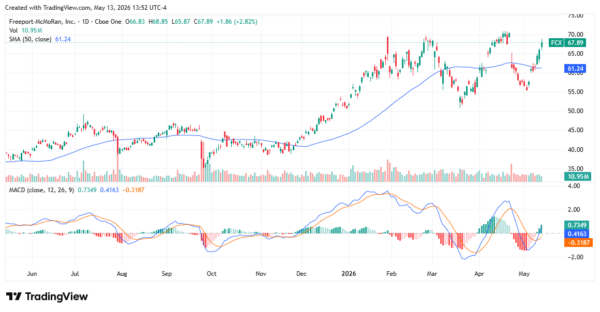
Freeport McMoRan (NYSE: FCX) is a solid bet to meet surging copper demand. Recent earnings weren’t too shabby either. EPS of 50 cents beat estimates by six cents. Revenue of $6.97 billion, up 2.7% year over year, beat by $240 million. Plus, analysts at HSBC just upgraded FCX to a buy rating with a $50 price target.
According to the firm, as noted by CNBC, the “rating change and increase in the company’s estimates over the next two years were due to higher metals price assumptions. These higher prices have stemmed from recent market volatility and significant supply disruptions, particularly in platinum and copper. Freeport-McMoRan has probable mineral reserves in copper, gold and molybdenum.”
The COPX ETF Offers Diversified Exposure to Copper Miners
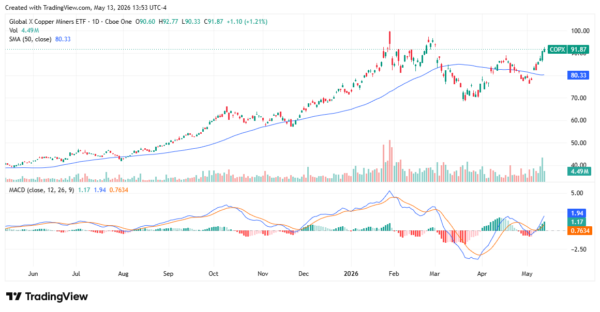
Another top way to invest in the copper demand trade is with the Global X Copper Miners ETF (NYSEARCA: COPX).
With an expense ratio of 0.65%, the ETF allows you to diversify with 40 copper-related holdings, including Lundin Mining (OTCMKTS: LUNMF), Glencore (OTCMKTS: GLNCY), Southern Copper (NYSE: SCCO), BHP Group (NYSE: BHP), Freeport-McMoRan, Ero Copper (NYSE: ERO), and Taseko Mines (NYSEAMERICAN: TGB).
Since bottoming out at around $30.60 in April, the COPX ETF just rallied to $84.50 – and could test higher highs.
Copper Could Become One of the Decade’s Most Important Commodities
Again, with copper prices likely to accelerate, investors may want to pay close attention to related mining stocks and ETFs.
The long-term demand story for copper continues to strengthen as artificial intelligence infrastructure, electric vehicles, renewable energy projects, and power grid modernization all require massive amounts of the metal. At the same time, supply growth remains constrained by years of underinvestment in new mining projects and ongoing production disruptions worldwide.
That imbalance between supply and demand could create a favorable environment for copper prices for years to come. Companies such as Freeport-McMoRan and diversified ETFs like COPX may offer investors a way to benefit from what could become one of the most important commodity bull markets of the next decade. If analysts are correct about future shortages and rising prices, copper-related investments could remain in focus well beyond 2026.
Leave a Reply