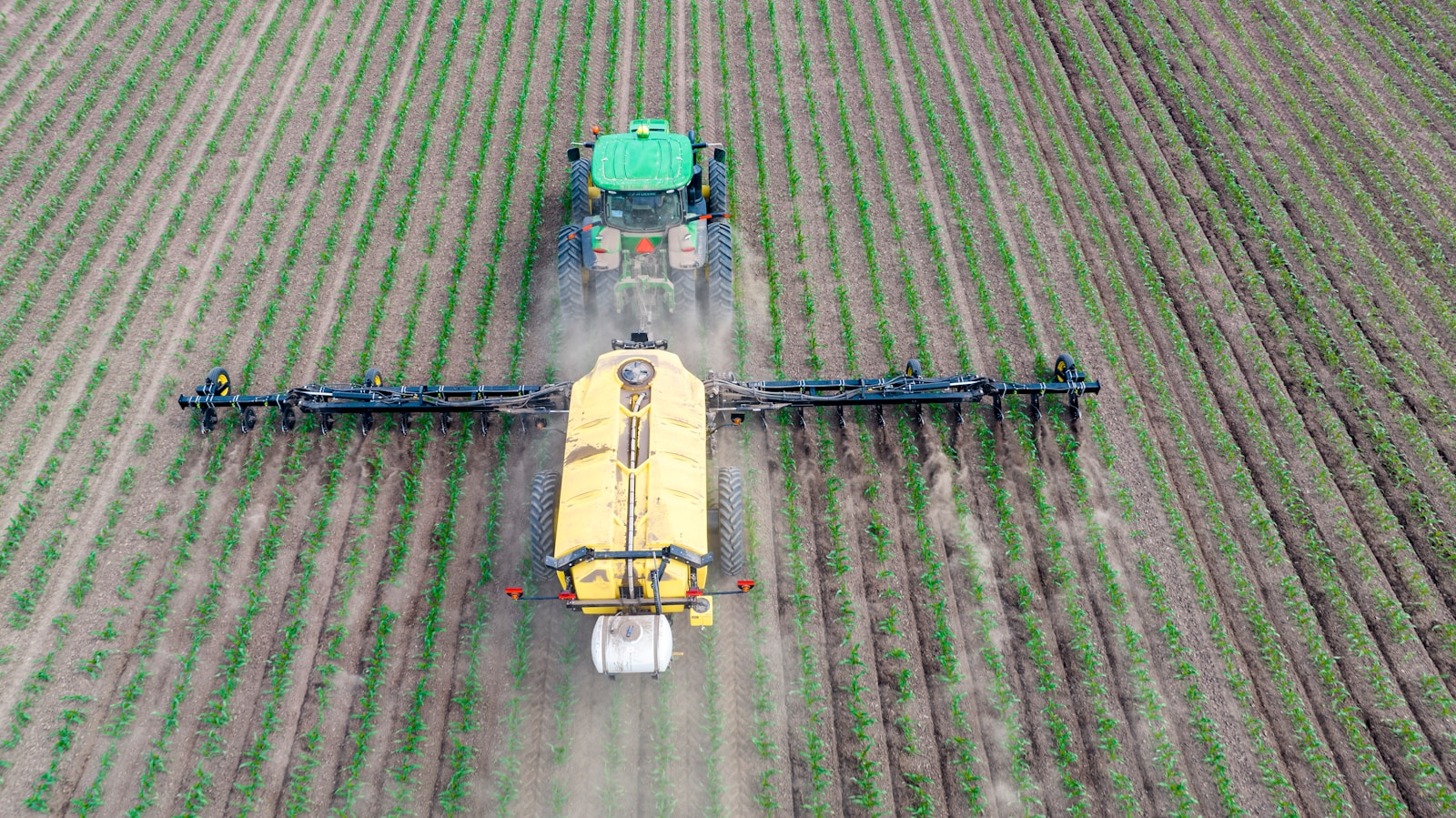
With severe disruptions to the Strait of Hormuz, Goldman Sachs expects agriculture ETFs (exchange-traded funds) to see record inflows. This is a story that’s just beginning to gain traction with investors.
Table of Contents
There are two major reasons for Goldman’s outlook. First, even with some vessels crossing the Strait of Hormuz, there’s a massive backlog that could take weeks to clear.
Second, as noted by Zero Hedge, “Qatar’s LNG export capacity may take years to fully recover after IRGC drone or missile strikes last week. Notably, natural gas is a key feedstock for nitrogen fertilizer production.” This is particularly significant because natural gas is a key feedstock for nitrogen fertilizer production, meaning disruptions in energy markets can quickly spill over into agriculture.
We also have to remember that the Strait of Hormuz is a critical route in the global nitrogen fertilizer market, which accounts for nearly 60% of global fertilizer use and is especially vital for crops such as corn and other grains. Longer disruptions to that flow through the Strait of Hormuz could cause some major issues for global food prices and supply.
Analysts at Goldman Sachs added, “We anticipate that March 2026 will set a new record for agricultural ETF inflows over the next few sessions, overtaking March 2022 during the Russian invasion of Ukraine as the strongest month on record.”
With many variables in play, investing in single stocks in this sector carries more risk than many investors want to take on. A better choice may be to consider agriculture ETFs. Here are three names to consider.
DBA ETF: Broad Commodity Exposure With Upside Potential
With an expense ratio of 0.9%, the Invesco DB Agriculture Fund (NYSEARCA: DBA) offers investors an inexpensive way to trade commodity futures. The fund offers exposure to several agricultural inputs such as corn, soybeans, wheat, soybean oil, and cotton. It also pays a yearly dividend, last paying just over 91 cents a share on December 26. Before that, it paid out just over $1.08 a share a year earlier.
Since the year began, the DBA ETF rallied from $25.43 to a recent high of $26.94. From here, we’d like to see it test $30 a share.
VEGI ETF: Agribusiness Leaders Positioned for Growth
There’s also the iShares MSCI Agriculture Producers ETF (NYSEARCA: VEGI). With an expense ratio of 0.39% and a yield of 1.56%, the ETF offers exposure to companies that produce fertilizers and agricultural chemicals, farm machinery, and packaged foods and meats. It also pays a dividend twice a year. Its last one was for just over 49 cents, paid on December 19. Before that, it paid out just over 40 cents on June 20.
The fund has 128 holdings with some of the top holdings being Deere (NYSE: DE), Corteva (NYSE: CTVA), Nutrien (NYSE: NTR), Archer Daniels Midland (NYSE: ADM), Bunge Global (NYSE: BG), and CF Industries (NYSE: CF) Since the start of the year, VEGI ran from a low of about $39 to a high of $47.22. Now back to $45.17, it’s just starting to pivot higher again. We’d like to see it initially test $50.
AIGA ETF: Diversified Agriculture Futures in One Fund
With an expense ratio of 0.49%, the WisdomTree Agriculture (LON: AIGA) ETF provides “investors with a total return exposure to a basket of Agriculture futures contracts. The ETC aims to replicate the Bloomberg Commodity Agriculture Subindex 4W Total Return Index (BCOMAG4T) by tracking the Bloomberg Agriculture Sub Excess Return Index,” as noted by Wisdom Tree.
At the moment, soybeans, corn, soybean oil, soy meal, coffee, sugar, wheat, cotton, and cocoa make up the composition of the fund. Investors should note that the fund doesn’t currently trade on a U.S. exchange, but is available to investors with access to the London Stock Exchange.
Agriculture ETFs Gain Momentum Amid Rising Global Uncertainty
Overall, with geopolitical tensions disrupting key trade routes and energy inputs, agriculture ETFs are gaining renewed attention. These funds provide diversified exposure across commodities and agribusiness, making them attractive options during periods of global supply uncertainty and rising food demand.
Leave a Reply