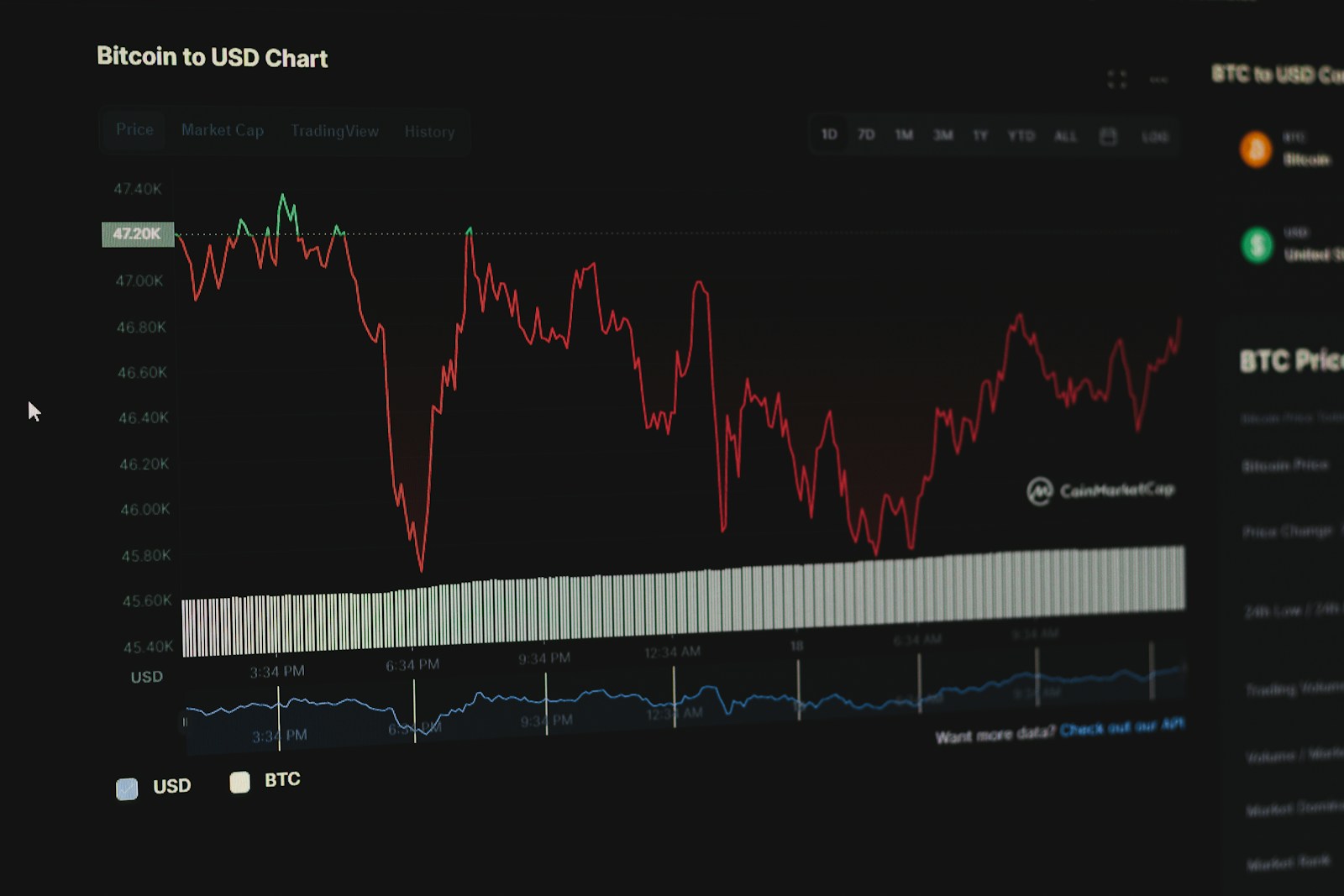
Dealing with volatile markets is a part of investing. That’s because stocks don’t move in one direction without having their momentum interrupted. And if we’re being honest, you wouldn’t want them to. When good stocks go on sale, it’s almost always a buying opportunity.
Table of Contents
Whether you passively put money into an index fund for your retirement or actively pick and trade stocks, you can’t escape the choppy moves in the market. But you can choose how you react to it.
When markets become volatile, as we’re seeing now, keep these three key pointers in mind.
Volatile Markets Tip No. 1 – Don’t Panic, Stay Calm
Easier said than done, I know.
But remember, markets are resilient. We’ve come back from far worse.
Unfortunately, the fear of missing out (FOMO) is real, and it applies not only when stocks are going down but also when they’re going up. It can be hard to keep your composure when all the talking heads are signaling a crash.
But remember, if you panic, you sell. And if you sell, you miss the potential for the recovery rally. You have to remember that markets are resilient and eventually recover, as they have historically.
In fact, look back at the history of bad moves, and you’ll see that each time those moves were followed by a recovery rally. And in many cases, investors would have been far better off just holding on to the position they had rather than attempting to time a market top or bottom.
Volatile Markets Tip #2 – Take Some Advice From Warren Buffett
Legendary investor Warren Buffett, whose company Berkshire Hathaway (NYSE: BRK.B) outperformed markets for decades, has seen his fair share of recessions. He also has the experience that many other investors may lack. For example, he has always advised investors to have a long-term outlook, because short-term volatility is typical. Better, just as we noted above, even the most painful recessions are temporary.
In fact, in a 2016 annual shareholder meeting, the billionaire suggested that dark clouds would fill the economic skies and they would briefly rain gold.
“During such scary periods, you should never forget two things: First, widespread fear is your friend as an investor, because it serves up bargain purchases. Second, personal fear is your enemy. It will also be unwarranted,” as quoted by MarketWatch.
But perhaps the most important tip to remember from Buffett is his advice to be greedy when others are fearful and fearful when others are greedy. There are times when it’s okay to take a little profit. But as long as the reason why you own the stock still exists, you should always look to buy more at a better price.
Conversely, there will be times when the “smart money” simply undervalues a stock. You’ll want to have a shopping list ready to go when they do.
Volatile Markets Tip #3 – Get Paid to Wait for a Recovery
When the going gets tough, investors often get defensive. That can mean investing in high-yield, growing dividend stocks. Companies with strong cash flows and attractive yields tend to outperform even the worst of markets.
According to The Wall Street Journal: “Dividend stocks have become the new darling on Wall Street, and investors looking for income are pouring billions of dollars into them. These securities are considered a good buffer during times of market volatility. They also are seen as an inflation hedge, considering that S&P 500 dividend growth has outpaced inflation since 2000.”
Plus, dividend stocks allow investors to profit in two ways: one, through potential appreciation of the stock price, and two, through dividend distributions. Better, many dividend-paying companies also have a good amount of cash and hand, and are typically strong companies with good prospects for long-term growth.
Some Final Thoughts About Investing in Volatile Markets
Market volatility is uncomfortable, but it’s also unavoidable. However, its often beneficial for investors who stay disciplined. Sharp pullbacks and sudden rallies tend to separate emotion-driven decisions from fundamentally sound strategies. History shows that markets recover, even after periods of extreme uncertainty, and investors who remain patient are often rewarded for their resolve.
Rather than fearing volatility, investors can use it to their advantage by keeping a long-term mindset, sticking to high-quality companies, and focusing on income-producing assets, like dividend stocks. These approaches help reduce the temptation to panic while allowing portfolios to compound over time. Volatile markets don’t signal the end of opportunity—they often create it. The key is having a plan in place before emotions take over and remembering that time in the market has consistently beaten attempts to time it.
Leave a Reply