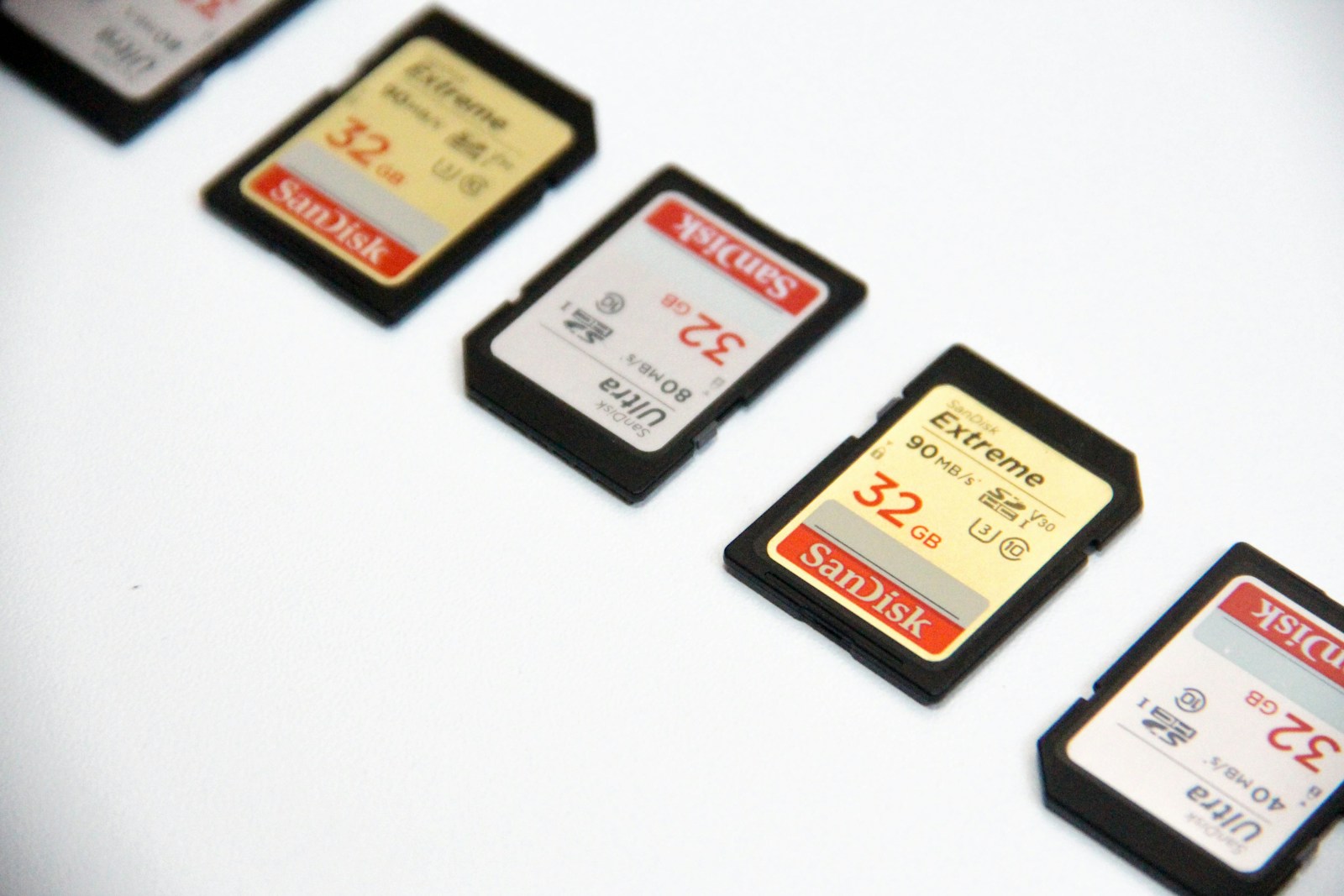
Up more than 2,000% over the last year, shares of Sandisk (NASDAQ: SNDK) could rally even more heading into third-quarter earnings on April 30. Despite its massive run, Wall Street analysts still believe the semiconductor stock has significant upside, driven by surging demand for NAND memory and improving pricing conditions.
Table of Contents
NAND memory has historically been one of the most cyclical segments of the semiconductor market, with pricing driven by periods of oversupply followed by sharp recoveries. In prior cycles, demand was largely tied to consumer electronics like smartphones and PCs, which created more volatile swings. This time may be different. The rise of artificial intelligence and hyperscale data centers is creating a more സ്ഥിര, enterprise-driven demand base that could extend the current upcycle and support more durable pricing strength.
To highlight that point, Bernstein analyst Mark Newman wrote, if average selling prices for NAND memory offerings jump 75% sequentially in the March quarter, and another 75% in the June quarter, SNDK could rally to $3,000 a share.
For the time being, Bernstein now has a Street-high target of $1,250, noting that the market is significantly undervaluing earnings power and cycle sustainability.
However, analysts at Cantor Fitzgerald are also bullish, raising their price target to $1,000. Like Bernstein, the firm credits the higher price target to stronger-than-expected NAND flash pricing.
But why should you believe the analysts? For that, you can look at the company’s recent earnings report. In its second quarter, SanDisk reported revenue of $3.03 billion, a 61% year-over-year increase. Data center revenue climbed even faster, jumping 76% to $440 million. At the same time, gross margins expanded to 50%, reflecting both pricing strength and operational efficiency. Looking ahead, analysts expect third-quarter revenue to increase more than 50% sequentially.
Supply Can’t Keep Up With Demand
On the supply side, NAND production is not something that can quickly scale to meet demand. Building and ramping up advanced fabrication facilities requires billions of dollars in capital and years of development. At the same time, the industry has consolidated into a smaller group of major players, limiting the likelihood of aggressive overproduction. These constraints are helping keep supply tight, which in turn is reinforcing pricing power across the market.
We also have to consider that artificial intelligence will continue to create massive demand for data centers, which will lead to further demand for NAND. After all, NAND is a vital part of the AI infrastructure for massive amounts of data storage, speed and performance.
Consider this. According to MIT Technology Review, there are about 3,000 data centers across the U.S. Plus, according to a report from McKinsey, $5.2 trillion in AI infrastructure investments will be needed by 2030. Again, growing demand for data centers will mean growing demand for more NAND memory in an already tight market.
McKinsey analysis suggests that demand for AI-ready data center capacity could grow at an annual rate of 33% between 2023 and 2030. This sustained expansion is likely to keep pressure on supply chains and support higher pricing for NAND products over the long term. For companies like Sandisk, that creates a powerful tailwind.
Analysts Have High Expectations with Earnings
As Sandisk nears its April 30 earnings release, expectations are running high.
Analysts are forecasting revenue of $4.4 billion to $4.8 billion, representing year-over-year growth of roughly 159% to 182%. EPS is projected to come in between $12 and $14, while gross margins are expected to expand further to a range of 65% to 67%.
Investors will be paying close attention to several key factors in the report. Continued growth in data center revenue will be critical in supporting the company’s valuation, as this segment is seen as a primary driver of long-term demand. Additionally, any indication that NAND flash prices are continuing to rise—or that supply shortages could persist through 2028—would reinforce the bullish thesis.
Sandisk’s Earnings Could Be the Next Catalyst for Another Breakout
Of course, investors should also keep in mind that memory pricing can shift quickly if supply-demand dynamics change or if macroeconomic conditions weaken, which could introduce volatility even in a strong long-term trend.
In the end, with explosive growth, tight memory supply, and powerful demand from artificial intelligence and data center expansion, Sandisk appears well-positioned for further upside.
As the company heads into its upcoming earnings report, investors will be watching closely for confirmation that pricing strength, margin expansion, and data center growth remain intact. If those trends hold, Sandisk may not only justify its recent gains but could have significantly more upside ahead – potentially testing $3,000.
Leave a Reply