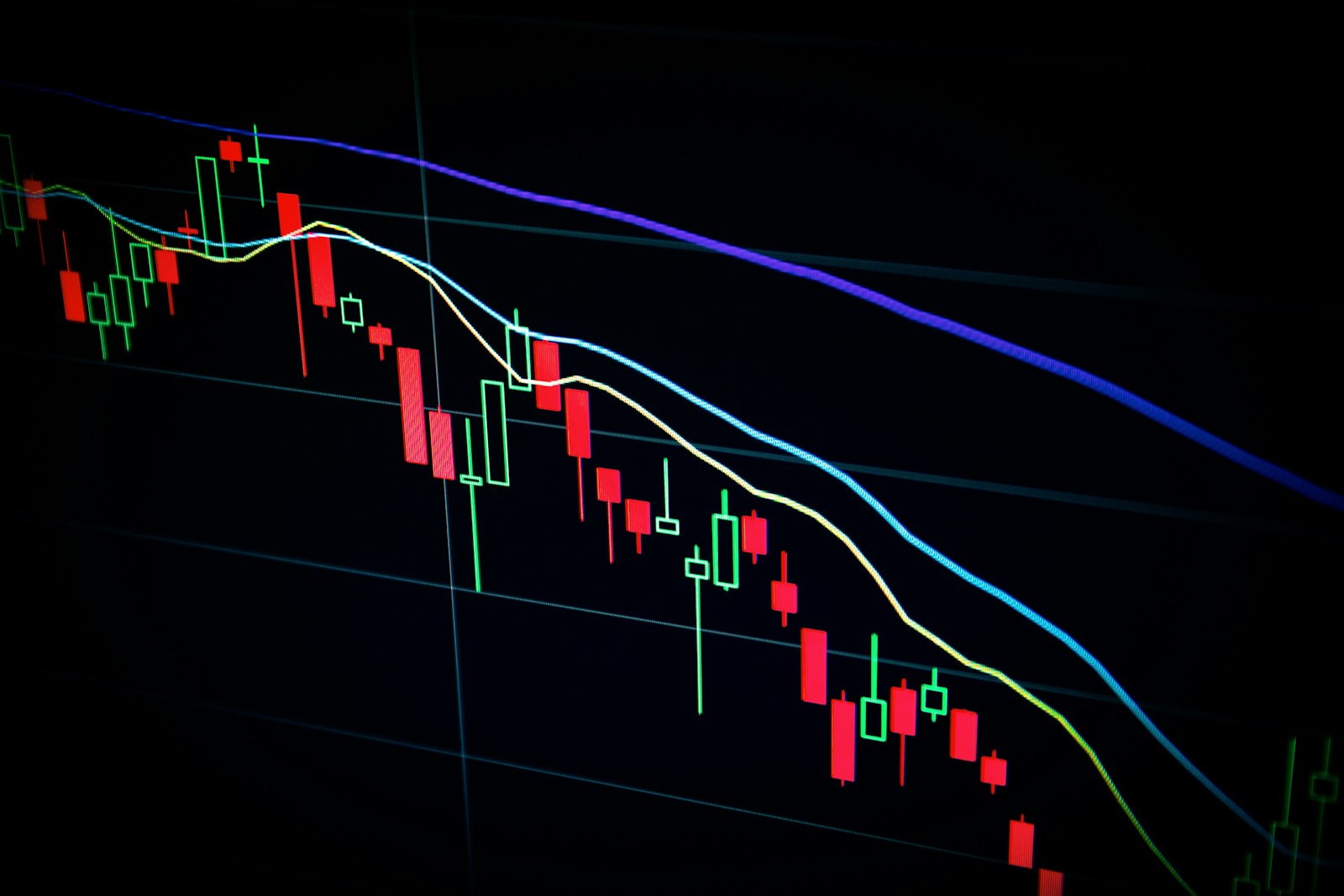
Markets are under substantial pressure, and the situation could get far worse. Long-term investors know that, over time, stocks move up and to the right. But in the here and now, many investors may want to short the market.
Table of Contents
They have more than enough reasons. First, the U.S.-Iran conflict shows no meaningful signs of cooling, and each new development appears to add another layer of risk.
One of those risks is oil prices. Most recently, oil prices surged back above $98 per barrel after the U.S. launched strikes on Iranian production facilities—including what is believed to be the world’s largest natural gas field. This escalation has significantly raised concerns about supply disruptions at a time when global energy markets are already tight.
According to CNN reporting, the latest wave of attacks is reinforcing fears that the conflict could become longer-lasting. Warren Patterson, head of commodities strategy at ING, noted that energy markets are now being forced to continuously reprice the risk of prolonged disruptions. Specifically, the Strait of Hormuz—a critical chokepoint through which a significant portion of the world’s oil and liquefied natural gas flows—is becoming a focal point of concern. Any sustained disruption there could have far-reaching consequences for global supply chains and pricing.
Adding to the tension, Iran has issued warnings of a major retaliatory response. Reports suggest that energy infrastructure in countries such as Qatar, Saudi Arabia, and the United Arab Emirates could be at risk. If such attacks were to occur, the conflict could quickly broaden into a wider regional crisis, further destabilizing markets.
At the same time, emerging reports indicate that NATO may be reluctant to become directly involved in securing key shipping routes, such as the Strait of Hormuz. While many analysts believe NATO involvement isn’t necessary, it adds to investor anxiety about a potential expansion of the U.S. role and how long it will last.
All of this has fueled speculation that oil prices could spike dramatically—potentially even reaching $200 per barrel in a worst-case scenario. Even if that doesn’t happen, just look at what happened to stocks when oil climbed above $100 a barrel.
While all of this adds risk for traders taking long positions, this environment still offers opportunities for traders willing to short the market. In fact, as uncertainty rises, volatility will soar, allowing us to capitalize with ETFs and ETNs that let you short the market without using leverage.
The ProShares Ultra VIX Short-Term Futures ETF (UVXY)
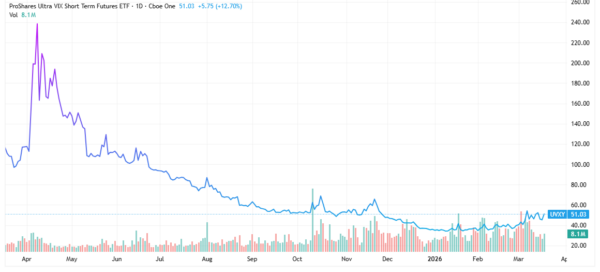
The ProShares Ultra VIX Short-Term Futures ETF (BATS: UVXY) is structured to deliver two times (2x) the daily performance of the S&P 500 VIX Short-Term Futures Index, making it highly sensitive to spikes in market volatility. Since the start of March, UVXY has already climbed from around $40 to $50. If tensions continue to escalate, it could potentially revisit the $68.50 level seen back in November, especially if fear intensifies.
The S&P 500 VIX Short-Term Futures ETN (VXX)
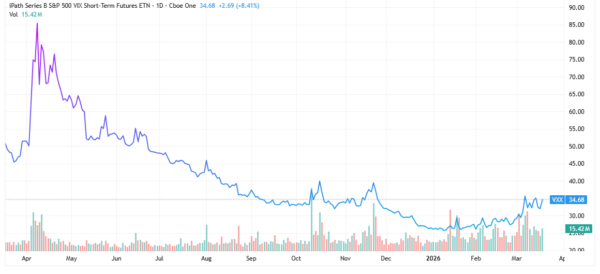
Another option is the S&P 500 VIX Short-Term Futures ETN (BATS: VXX), which offers exposure to the same underlying volatility index but without leverage. VXX has moved from approximately $28.72 to a recent high of $34.17 in just a short period. Should volatility continue to build, a retest of the $40 level.
The ProShares VIX Short-Term Futures ETF (VIXY)
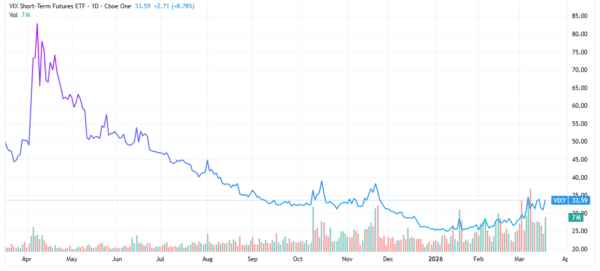
The ProShares VIX Short Term Futures ETF (BATS: VIXY) provides long exposure to short-term VIX futures contracts, with a weighted average maturity of about one month. VIXY has already rallied from roughly $27.76 to $33.04 and could push back toward $40 if conditions deteriorate further.
An Opportunity to Short the Market
In times like these, volatility becomes both a risk and an opportunity. There are reasons to be optimistic about the Iran conflict. But ultimately, much will depend on how the geopolitical situation unfolds in the coming weeks.
While long-term investors may prefer to stay cautious and focus on risk management, short-term traders can look to instruments like these ETFs and ETNs to potentially benefit from rapid market swings and short the market.
Leave a Reply