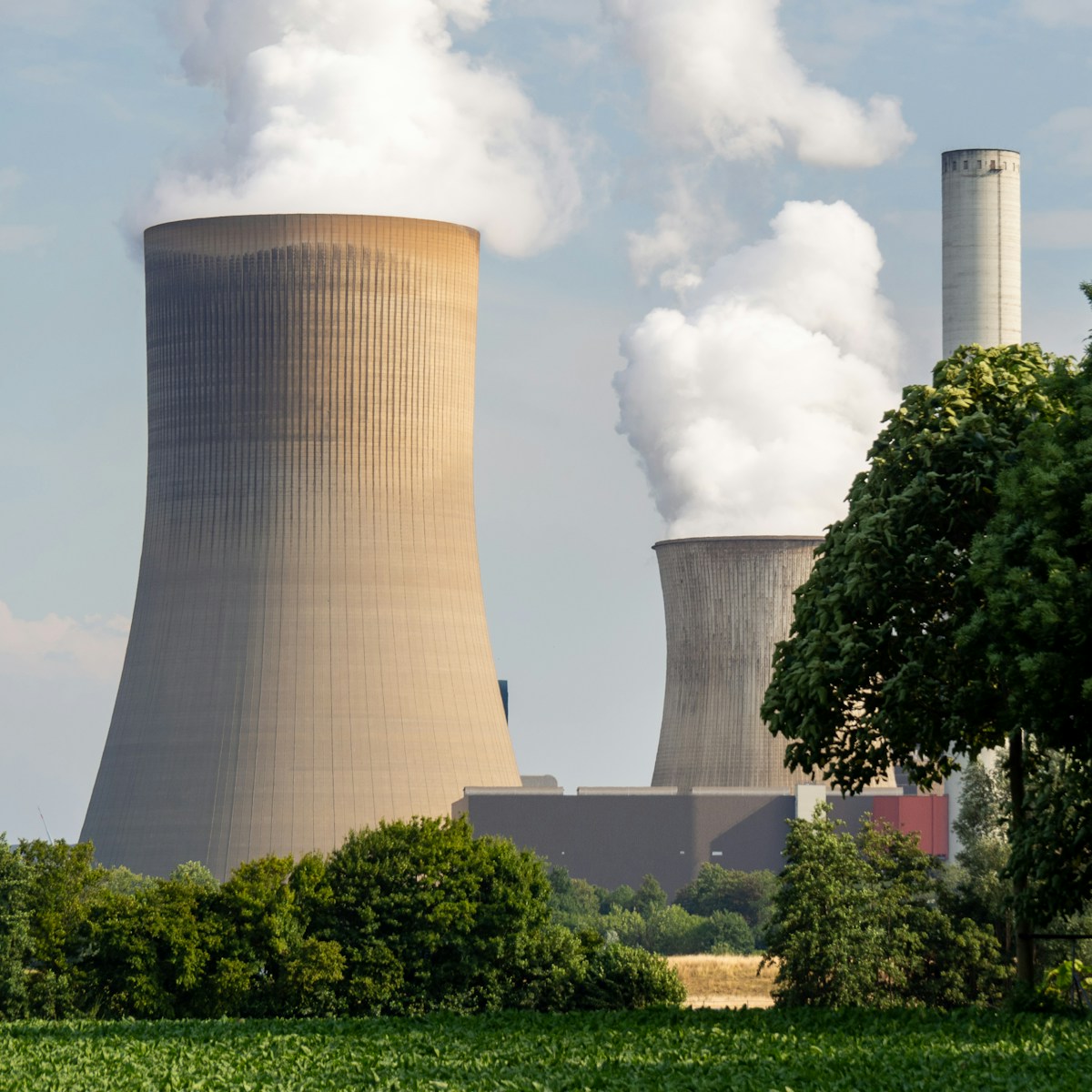
Artificial intelligence is fueling massive upside in energy stocks, as they create the need for AI power deals. Nowhere is that more visible than in nuclear energy. As data centers multiply and AI workloads scale, power demand is exploding. And tech giants are locking in long-term electricity supplies to avoid bottlenecks. That trend is creating a new investment theme, and nuclear stocks are emerging as prime beneficiaries.
Table of Contents
Just last week, Meta Platforms Inc. (NASDAQ: META) unveiled AI power deals to secure roughly 6.6 gigawatts (GW) of nuclear power by 2035 for its data center expansion. One of those deals was with Vistra (NYSE: VST), which will provide electricity from three existing nuclear plants.
Meta is also partnering with Oklo Inc. (NYSE: OKLO) to develop small modular reactors (SMRs) in Ohio capable of delivering up to 1.2 GW starting in 2030. In addition, the company is funding TerraPower’s advanced reactor projects, expected to generate up to 690 megawatts by 2032.
According to Meta’s Head of Global Energy Urvi Parekh, nuclear power offers “clean, reliable power that is essential for advancing our AI ambitions.” The message is clear: hyperscalers need always-on, carbon-free baseload energy, and nuclear fits the bill better than intermittent renewables.
But while Vistra, Oklo, and TerraPower have grabbed headlines, another nuclear stock could be positioned to land a major AI power deal of its own—NuScale Power (NYSE: SMR).
AI’s Power Problem Is Becoming Nuclear’s Opportunity
AI models, especially large language models (LLMs)and next-generation inference systems, require enormous and continuous computing power. A single hyperscale data center can consume hundreds of megawatts, and AI clusters often demand even more. Unlike traditional cloud workloads, AI cannot tolerate downtime or power volatility, making energy reliability as important as cost.
This is where nuclear energy stands apart. Unlike wind and solar, nuclear provides 24/7 baseload power with near-zero carbon emissions. For technology companies under pressure to meet sustainability goals while scaling AI, nuclear energy offers a rare combination of environmental compliance and operational certainty.
The result is a new wave of long-term power purchase agreements (PPAs) between tech companies and nuclear providers. Meta’s deals are only the most visible examples. Other hyperscalers and enterprise AI developers are reportedly exploring similar arrangements, recognizing that future growth depends on securing dedicated power infrastructure today.
Small modular reactors, in particular, are gaining attention. SMRs are designed to be factory-built, scalable, and faster to deploy than traditional nuclear plants. For data centers that need incremental power capacity over time, SMRs provide flexibility that large reactors cannot. This trend directly benefits companies that already have certified SMR designs ready to deploy.
Why NuScale Is Uniquely Positioned
NuScale Power is the only company in the world with U.S. Nuclear Regulatory Commission (NRC) standard design approval for multiple SMR configurations. In 2023, the company received NRC approval for its 50-megawatt-electric module, and in May 2025, it secured approval for its uprated 77-megawatt-electric version. These regulatory milestones are critical because they dramatically shorten project timelines and reduce licensing risk for customers.
For large technology companies looking to build out AI infrastructure quickly, regulatory certainty is just as important as engineering capability. NuScale’s approvals give it a meaningful first-mover advantage. Instead of waiting years for reactor designs to clear the regulatory process, potential partners can move directly into site planning, financing, and construction.
From a business model perspective, NuScale’s modular approach also aligns well with data center growth. Rather than committing to massive, multi-gigawatt facilities upfront, companies can add capacity in phases by deploying additional modules as computing demand increases. That flexibility makes NuScale an attractive candidate for long-term AI power partnerships.
Wall Street is starting to take notice. Bank of America recently upgraded the stock from Underperform to Neutral and set a $28 price target. According to the firm, the stock’s sharp pullback from previous highs has reset expectations, while the long-term demand outlook for SMRs remains intact. With shares recently trading near $20.75, BofA’s target implies over 40% upside.
What an AI Power Deal Could Mean for SMR Stock
An AI power deal, similar to Meta’s deals with Vistra, Oklo, or TerraPower, would be a potential inflection point for NuScale. Such a deal would provide three key benefits: validation, visibility, and financing leverage.
First, it would validate NuScale’s technology at a commercial scale. While the company has long touted its regulatory achievements, investors want to see large, creditworthy customers commit capital to real-world projects. A partnership with a major tech company would do exactly that.
Second, it would improve revenue visibility. Long-term PPAs or development agreements typically span decades, offering predictable cash flow once reactors are operational. That kind of contract structure could shift investor perception of NuScale from a speculative technology play to a long-duration infrastructure investment.
Third, a marquee customer could help unlock project financing. Nuclear projects are capital-intensive, and lenders prefer deals backed by strong counterparties. A hyperscaler with an investment-grade balance sheet would make it far easier for NuScale and its partners to secure funding on favorable terms.
From a trading perspective, SMR stock has already shown it can move quickly on news. Shares have experienced significant volatility over the past two years as investor sentiment toward nuclear energy has swung between optimism and skepticism. A confirmed AI power agreement could reignite momentum and push the stock back toward prior highs. From current levels near $20, a move toward $35 over time would not be unrealistic if the company demonstrates tangible progress in landing large-scale customers.
Conclusion: A High-Risk, High-Reward AI Power Deal Play
NuScale Power is not a conservative utility stock. It is a growth-stage nuclear technology company operating in a capital-intensive, heavily regulated industry. That makes SMR a higher-risk investment than established power producers. However, the upside potential is equally significant.
The surge in AI-driven electricity demand is reshaping how tech companies think about energy procurement. Nuclear power—particularly small modular reactors—has moved from a niche concept to a strategic necessity. With unmatched regulatory approvals and a modular design tailored to scalable infrastructure, NuScale is well-positioned to benefit from this shift.
If NuScale secures a major AI power deal similar to those recently announced by Meta, it could mark a turning point for the company and its stock. For investors seeking exposure to the intersection of AI growth and next-generation energy, SMR represents a speculative but potentially powerful opportunity.
Leave a Reply